
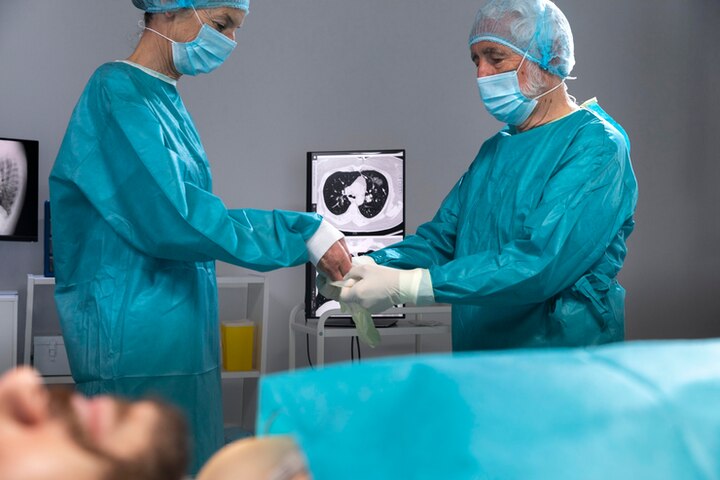


Endoscopic Spine Surgery Treatment
Minimally Invasive Spine Surgery for Slip Disc, Sciatica & Nerve Compression
If you are struggling with persistent back pain, leg pain (sciatica), numbness, tingling, or weakness, it may be due to a spinal condition like a slipped disc (herniated disc) or nerve compression. In such cases, Endoscopic Spine Surgery can be a highly effective minimally invasive option to relieve pain and restore mobility.
Under the expert care of Dr. Tamajit Chakrobarty (Neurosurgeon), endoscopic spine surgery is performed using advanced techniques to treat spinal nerve compression through a small incision, reducing tissue damage and supporting a faster recovery—helping you return to your normal routine with greater comfort and confidence.
Treatment Overview
What is Endoscopic Spine Surgery?
Endoscopic Spine Surgery is a modern minimally invasive spine procedure in which a thin, specialized camera (endoscope) and surgical instruments are used to treat spine problems through a very small incision.
This technique allows the surgeon to view the spine in high detail and remove the cause of nerve compression—such as a herniated disc fragment, inflamed tissue, or pressure on spinal nerves—while minimizing disruption to surrounding muscles and healthy spinal structures.
How Endoscopic Spine Surgery Works
Endoscopic spine surgery works by accessing the affected area of the spine through a small entry point and treating the root cause of nerve compression with precision.
This helps to:
- Reduce pressure on compressed spinal nerves
- Relieve radiating pain (sciatica / arm pain)
- Improve numbness, tingling, and weakness
Restore movement, comfort, and daily function
Depending on the condition and spine level involved, the procedure may be performed using:
✅ Endoscopic minimally invasive approach
✅ Specialized surgical instruments for precision
✅ Advanced visualization for safe nerve decompression
Symptoms That May Indicate You Need Endoscopic Spine Surgery
- Sharp or burning pain in the lower back or neck
- Leg pain (sciatica) or arm pain that worsens while sitting/standing
- Tingling, numbness, or reduced sensation
- Muscle weakness or reduced grip/foot strength
- Difficulty walking, bending, standing straight, or lifting objects
- Pain not improving after medications, rest, or physiotherapy
Our Discectomy Treatment
Types of Discectomy Procedures
Your surgery type depends on the disc level, severity, and nerve involvement.
Lumbar Discectomy (Lower Back)
Cervical Discectomy (Neck)
Microdiscectomy (Minimally Invasive Discectomy)
Why Choose Our Endoscopic Spine Surgery Treatment
Benefits That Truly Matter
Endoscopic spine surgery is designed for patients who want effective relief with minimal disruption to normal tissues. Our goal is to provide safe spine care that supports pain relief, mobility improvement, and a smoother recovery journey.
Minimally Invasive Approach
Endoscopic surgery is done through a small incision, helping minimize tissue disruption and improving overall surgical comfort.
Effective Relief from Sciatica & Nerve Pain
By removing the cause of compression, many patients experience significant relief from:
- Leg pain (sciatica)
- Radiating nerve pain
- Tingling and numbness
Activity-related discomfort
Faster Recovery & Early Mobility
Since the technique is less invasive, many patients benefit from:
- Less post-operative discomfort
- Earlier movement and walking (as advised)
Quicker return to routine activities
High Precision with Advanced Visualization
The endoscope provides detailed visualization of the affected spinal area, helping ensure:
- Accurate decompression
- Better nerve protection
Controlled and precise treatment
Reduced Muscle Trauma (Compared to Traditional Open Surgery)
Endoscopic spine surgery is designed to preserve surrounding muscles and healthy structures—supporting better functional recovery.
Personalized Aftercare & Rehabilitation Guidance
Every patient receives a tailored post-procedure care plan, including:
- Activity and posture guidance
- Recovery timeline instructions
- Physiotherapy recommendations (if required)
- Follow-up evaluation for long-term spinal health
Expert Care
Experienced Neurosurgeon for Discectomy Treatment
Meet Dr. Tamajit Chakraborty
Neurovascular disorders require expert decision-making because every case is different. Dr. Tamajit Chakrobarty (Neurosurgeon) provides evidence-based, patient-first neurosurgical care for complex brain and spine conditions—ensuring safe treatment planning, precise execution, and supportive recovery guidance.
Expertise in Brain & Spine Neurosurgery
Experienced in managing complex neurological conditions with a focus on safety and outcomes.
Accurate Diagnosis & Treatment Planning
Comprehensive evaluation using modern imaging before selecting the best treatment approach.
Patient-Focused Recovery Guidance
Clear post-treatment plan, follow-ups, and long-term support for better quality of life.
Why Choose Our Discectomy Treatment
Everything You Need to Know
Frequently Asked Questions
Get expert answers to the most common questions about Discectomy treatments from Dr. Tamajit Chakraborty.
Endoscopic spine surgery is a minimally invasive procedure where an endoscope (small camera) is used through a tiny incision to treat spine conditions like slipped disc, nerve compression, and sciatica.
Yes, endoscopic spine surgery is considered safe when performed by an experienced neurosurgeon. It is designed to minimize tissue damage while effectively relieving nerve compression.
It is commonly used for:
- Herniated/slipped disc
- Sciatica
- Nerve compression
- Selected spinal stenosis cases
- Chronic back pain caused by disc-related issues
Endoscopic spine surgery usually involves:
- Smaller incision
- Less muscle damage
- Faster recovery for many patients
- Less post-operative discomfort compared to traditional open surgery
Both are minimally invasive procedures, but endoscopic spine surgery typically uses a camera-based approach with specialized tools. Microdiscectomy may use magnification techniques and a slightly larger incision depending on the method.
The procedure time varies based on the condition and spine level, but it generally takes around 45 minutes to 2 hours.
Many patients may be discharged within 24–48 hours, depending on:
- Pain control
- Mobility
- Overall medical condition
Some cases may require longer observation.
Most patients are encouraged to start walking early (as advised by the surgeon), as gentle movement supports recovery and reduces stiffness.
Recovery depends on the condition and patient health, but commonly:
- Light activities may resume in 1–2 weeks
- Routine work may resume in 2–6 weeks
Full strengthening may take 6–12 weeks
Endoscopic spine surgery can provide long-term relief by removing nerve pressure. However, future spine health depends on posture, activity habits, physiotherapy, weight management, and disc condition.
Still Have Questions?
Our team is here to provide personalized answers and guidance for your specific needs.