
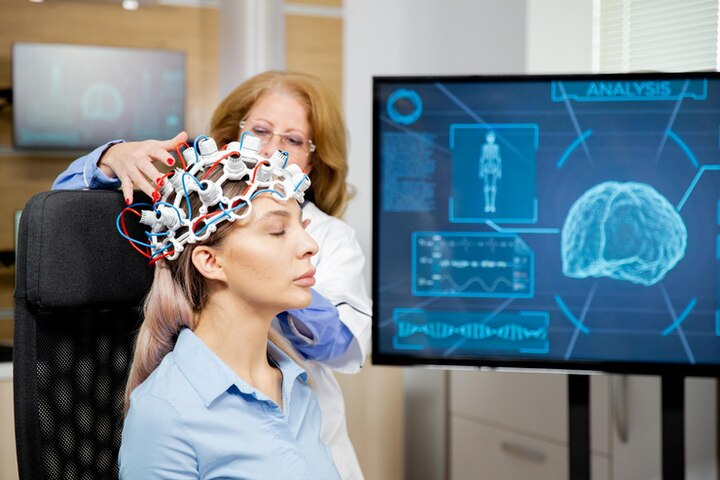
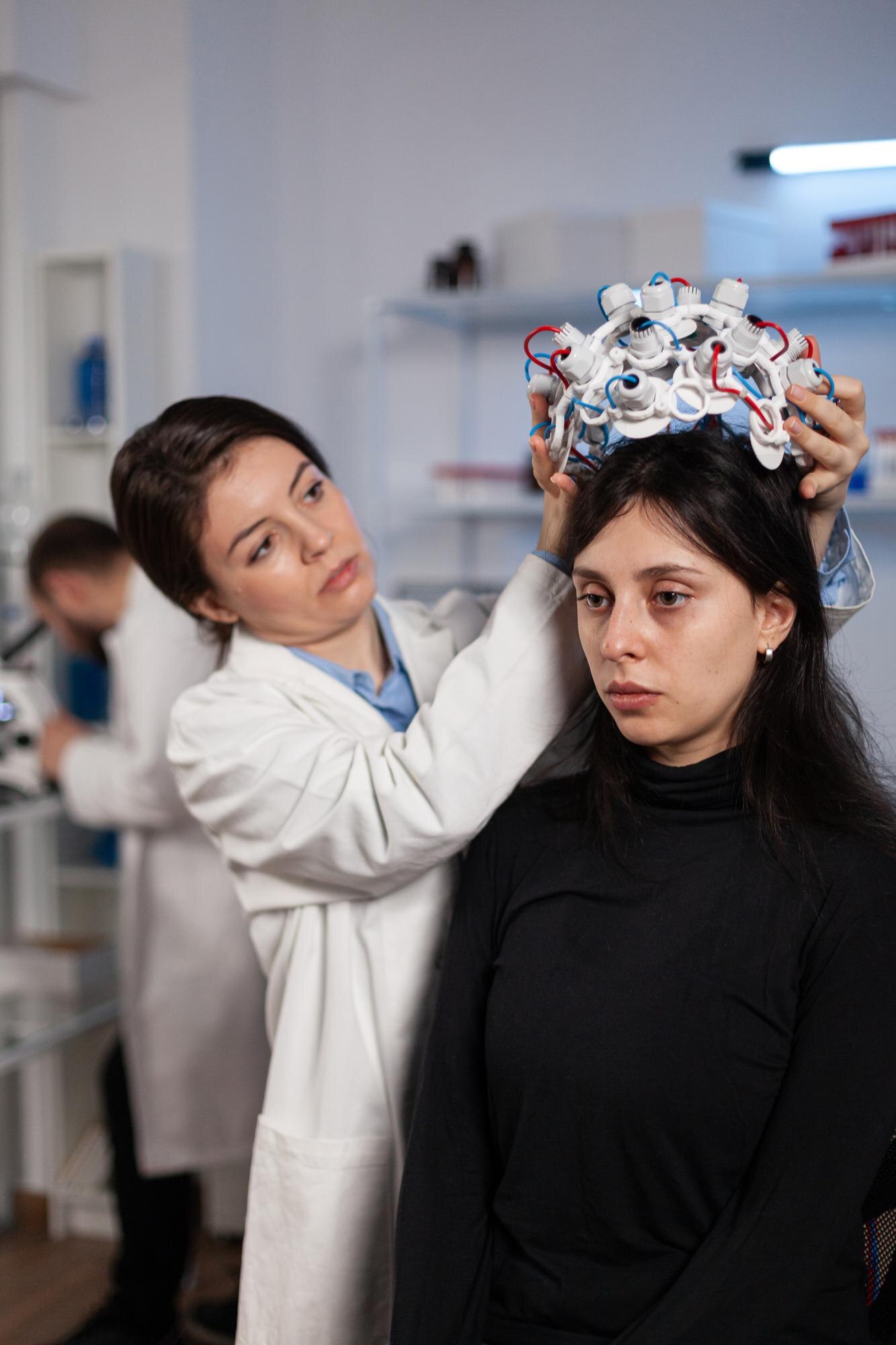

Advanced Deep Brain Stimulation (DBS) Treatment
Advanced Surgical Care for Parkinson’s, Tremors & Movement Disorders
If you or your loved one is struggling with uncontrolled tremors, stiffness, slow movement, or movement disorder symptoms that are not improving with medication, Deep Brain Stimulation (DBS) may be a highly effective treatment option.
Deep Brain Stimulation is an advanced neurosurgical procedure designed to help manage symptoms of conditions like Parkinson’s disease, essential tremor, and dystonia, allowing many patients to regain better control over movement and improve their quality of life.
Under the expert care of Dr. Tamajit Chakrobarty (Neurosurgeon), DBS treatment is planned with precision to help regulate abnormal brain signals and reduce disabling symptoms—supporting improved daily function, confidence, and independence.
Treatment Overview
What is Deep Brain Stimulation (DBS)?
Deep Brain Stimulation (DBS) is a specialized neurosurgical treatment where a small device (similar to a pacemaker) sends controlled electrical impulses to specific areas of the brain responsible for movement control.
How Deep Brain Stimulation Treatment Works
DBS works by delivering mild electrical stimulation to targeted brain areas that control movement. These signals help regulate abnormal activity in the brain—leading to smoother, more controlled movement.
This helps to:
- Reduce tremors and involuntary movements
- Improve stiffness and muscle rigidity
- Support better walking, balance, and movement control
- Reduce medication-related fluctuations (in suitable cases)
- mprove quality of life and daily independencemprove quality of life and daily independence
Depending on your condition, DBS treatment may involve:
✅ Detailed evaluation and DBS candidacy screening
✅ Precise electrode placement in targeted brain areas
✅ Implantation of a programmable stimulation device
✅ Post-procedure programming and follow-up tuning for best results
Symptoms That May Indicate You Need DBS Treatment
- Persistent tremors affecting daily tasks (eating, writing, dressing)
- Stiffness and rigidity that limits movement
- Slowness of movement and reduced coordination
- Walking difficulties or frequent “freezing episodes” (in selected cases)
- Severe symptoms despite regular medications
- Medication side effects such as abnormal movements (dyskinesia)
- Symptoms worsening over time and impacting quality of life
⚠️ DBS is typically considered when symptoms are not well controlled with medicines, and the condition is interfering with daily routine.
Our Discectomy Treatment
Types of Discectomy Procedures
Your surgery type depends on the disc level, severity, and nerve involvement.
Lumbar Discectomy (Lower Back)
Cervical Discectomy (Neck)
Microdiscectomy (Minimally Invasive Discectomy)
Why Choose Our Deep Brain Stimulation (DBS) Treatment
Benefits That Truly Matter
DBS is a life-changing option for many patients living with movement disorders. Our goal is to deliver safe, precise treatment with outcomes focused on long-term symptom control and improved quality of life.
Significant Improvement in Tremors & Movement Control
Many patients experience noticeable improvement in:
- Tremors
- Rigidity
- Slowness of movement
- Motor control and coordination
This helps improve confidence in day-to-day activities.
Advanced, Precision-Based Neurosurgical Procedure
DBS requires accurate targeting of brain areas involved in movement regulation. Treatment is planned with a strong focus on:
- Safety
- Precision
- Controlled stimulation outcomes
Long-term symptom management
Adjustable & Personalized Treatment
One of the biggest advantages of DBS is that it is programmable and adjustable. This means the stimulation settings can be fine-tuned based on:
- Your symptom response
- Comfort level
- Daily activity needs
Long-term progression
Reduced Medication Burden (In Suitable Patients)
For many patients, DBS can help reduce dependency on high medication doses—supporting better long-term comfort and fewer fluctuations (depending on diagnosis and individual response).
Improved Quality of Life & Daily Independence
DBS can help patients feel more independent by improving:
- Walking and mobility
- Ability to perform routine activities
- Social confidence
Overall quality of life
Long-Term Support, Programming & Follow-Up
After DBS, patients require ongoing monitoring and adjustment. Every patient receives structured aftercare guidance including:
- Post-treatment monitoring and recovery support
- DBS programming and follow-up sessions
Long-term management planning based on progress
Expert Care
Experienced Neurosurgeon for Discectomy Treatment
Meet Dr. Tamajit Chakraborty
Neurovascular disorders require expert decision-making because every case is different. Dr. Tamajit Chakrobarty (Neurosurgeon) provides evidence-based, patient-first vascular neurosurgery care for complex brain vessel conditions—ensuring safe treatment planning, precise execution, and supportive recovery guidance.
Expert Spine & Nerve Care
Experienced in managing complex neurological conditions with a focus on safety and outcomes.
Accurate Diagnosis & Treatment Planning
Comprehensive evaluation using modern imaging before selecting the best treatment approach.
Patient-Focused Recovery Guidance
Clear post-treatment plan, follow-ups, and long-term support for better quality of life.
Why Choose Our DBS Treatment
Everything You Need to Know
Frequently Asked Questions
Get expert answers to the most common questions about Discectomy treatments from Dr. Tamajit Chakraborty.
Deep Brain Stimulation (DBS) is a neurosurgical treatment where electrodes are placed in specific brain areas and connected to a device that sends electrical signals to help control movement disorder symptoms like tremors, stiffness, and slowness.
DBS may be suitable for patients who:
- Have Parkinson’s disease, essential tremor, or dystonia
- Have symptoms not controlled well by medicines
Have severe tremors or movement difficulty affecting daily life
A detailed evaluation is required before confirming eligibility.
No. DBS is not a cure, but it can significantly improve symptoms and help patients manage movement-related difficulties more effectively.
DBS is commonly used for:
- Parkinson’s disease
- Essential tremor
- Dystonia
Severe movement disorders (selected cases)
DBS procedure time varies depending on complexity, but it usually takes several hours and may be done in stages depending on clinical planning.
DBS is a well-established procedure and is generally safe when performed by an experienced neurosurgeon. Like any surgery, it has risks, which depend on the patient’s health, condition severity, and surgical complexity.
DBS can help improve:
- Tremors
- Stiffness and rigidity
- Slowness of movement
- Motor fluctuations
Overall mobility and daily independence
In many cases, DBS can help reduce the required medication dose, especially in Parkinson’s disease. However, results vary, and medication adjustments are done gradually under medical guidance.
The procedure is performed with appropriate anesthesia and monitoring. Some mild discomfort during recovery is possible, but most patients tolerate DBS well with proper post-operative care.
Recovery depends on the patient and procedure plan. Most patients gradually return to routine activities within a few weeks, while full benefit may be seen after:
- DBS programming sessions
- Follow-ups and adjustments
Medication stabilization
Still Have Questions?
Our team is here to provide personalized answers and guidance for your specific needs.