

Advanced Vascular Neurosurgery Treatment
Expert Care for Brain Aneurysm, AVM & Stroke-Related Conditions
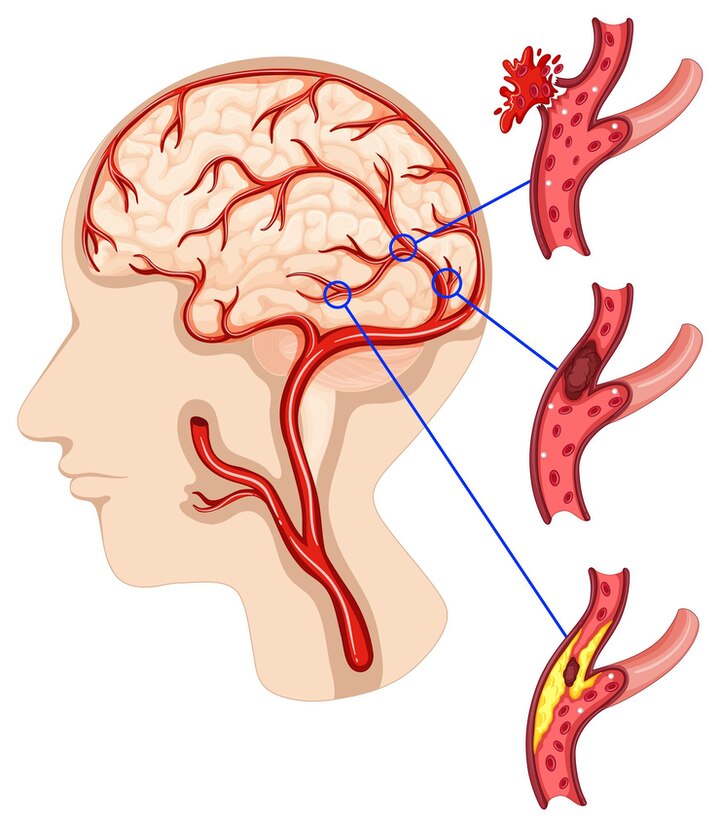
If you or your loved one is experiencing symptoms caused by a brain blood vessel disorder, timely treatment is critical. Vascular Neurosurgery focuses on treating conditions such as brain aneurysms, arteriovenous malformations (AVMs), vascular blockages, and brain hemorrhage—helping prevent life-threatening complications and protecting long-term brain function.
Under the expert care of Dr. Tamajit Chakrobarty (Neurosurgeon), vascular neurosurgery treatment is planned with precision to improve blood flow, stop bleeding risks, and reduce damage to healthy brain tissue—so patients can recover with better safety and outcomes.
Treatment Overview
What is Vascular Neurosurgery?
Discectomy (also written as Diskectomy) is a spine surgery performed to remove the damaged or herniated portion of an intervertebral disc that is compressing a nerve root or spinal cord.
Spinal discs act as shock absorbers between the vertebrae. When a disc slips or herniates, it can press on nearby nerves—causing pain, tingling, numbness, and weakness. Discectomy helps relieve these symptoms by removing the problematic disc material.
How Vascular Neurosurgery Treatment Works
Vascular neurosurgery treatment works by repairing, blocking, removing, or bypassing abnormal blood vessels to prevent rupture, reduce bleeding risk, and restore safer blood circulation.
This helps to:
- Prevent bleeding and rupture risks (especially in aneurysms/AVMs)
- Reduce pressure on brain tissue caused by abnormal vessels or bleeding
- Improve blood supply to critical brain areas to protect brain function
Lower the risk of stroke-related complications and long-term disability
Depending on your condition, treatment may involve:
✅ Microsurgical procedures (open neurosurgery)
✅ Endovascular therapy (minimally invasive vascular treatment)
✅ Combined approach for complex neurovascular conditions
Conditions Treated in Vascular Neurosurgery
Vascular neurosurgery is commonly recommended for patients diagnosed with:
- Brain Aneurysm (Unruptured or Ruptured)
- Brain AVM (Arteriovenous Malformation)
- Brain Hemorrhage / Bleeding in the Brain
- Stroke-related vascular emergencies (selected cases)
- Carotid artery narrowing / reduced brain blood flow (selected cases)
- Moyamoya disease / complex blood vessel disorders (selected cases)
Our Discectomy Treatment
Types of Discectomy Procedures
Your surgery type depends on the disc level, severity, and nerve involvement.
Lumbar Discectomy (Lower Back)
Cervical Discectomy (Neck)
Microdiscectomy (Minimally Invasive Discectomy)
Why Choose Our Vascular Neurosurgery Treatment
Benefits That Truly Matter
Vascular brain conditions require accurate diagnosis, timely decisions, and expert surgical precision. Our goal is to provide safe treatment with outcomes that prioritize brain protection and long-term quality of life.
Early Intervention for High-Risk Vascular Conditions
Early treatment can help prevent serious complications like aneurysm rupture, brain bleeding, and permanent neurological damage.
Advanced Treatment Options (Surgical + Endovascular)
Depending on your condition, treatment may include modern approaches such as:
- Aneurysm clipping (microsurgical)
- Endovascular coiling / minimally invasive catheter procedures
- Other vascular procedures based on diagnosis and complexity
Precise Planning Using Detailed Neuro-Imaging
Accurate diagnosis and surgical planning are supported with imaging such as:
- CT Scan / MRI Brain
- CT Angiography / MR Angiography
Digital Subtraction Angiography (DSA) (if required)
This ensures safer targeting and better outcomes.
Focus on Brain Protection & Safe Outcomes
Every procedure is planned with a strong focus on:
- Maximum vessel safety
- Minimum trauma to healthy brain tissue
- Reduced complication risks
Long-term neurological stability
Personalized Recovery & Follow-Up Care
After treatment, every patient receives a tailored plan including:
- Post-treatment monitoring and guidance
- Medication & lifestyle precautions (if required)
- Rehabilitation support (for stroke-related recovery)
- Follow-up imaging for long-term safety
Expert Care
Experienced Neurosurgeon for Discectomy Treatment
Meet Dr. Tamajit Chakraborty
Neurovascular disorders require expert decision-making because every case is different. Dr. Tamajit Chakrobarty (Neurosurgeon) provides evidence-based, patient-first vascular neurosurgery care for complex brain vessel conditions—ensuring safe treatment planning, precise execution, and supportive recovery guidance.
Expert Spine & Nerve Care
Experienced in managing complex neurological conditions with a focus on safety and outcomes.
Accurate Diagnosis & Treatment Planning
Comprehensive evaluation using modern imaging before selecting the best treatment approach.
Patient-Focused Recovery Guidance
Clear post-treatment plan, follow-ups, and long-term support for better quality of life.
Why Choose Our Discectomy Treatment
Everything You Need to Know
Frequently Asked Questions
Get expert answers to the most common questions about Discectomy treatments from Dr. Tamajit Chakraborty.
Vascular neurosurgery is used to treat diseases of brain blood vessels such as brain aneurysm, AVM, stroke-related bleeding, and other cerebrovascular disorders.
Neurosurgery is a broad field covering brain, spine, and nerve conditions. Neurovascular (vascular) neurosurgery is a specialized area focused specifically on blood vessel disorders of the brain and spinal cord.
A brain aneurysm is a weak bulge in a blood vessel wall. If it ruptures, it can cause serious brain bleeding and stroke-like complications, which may be life-threatening.
A brain AVM is an abnormal tangle of blood vessels inside brain tissue. AVMs may cause headaches, seizures, or bleeding and can sometimes rupture suddenly.
Symptoms may include:
Sudden severe headache
Weakness/numbness
Speech difficulty
Vision issues
Seizures
Loss of balance
Sudden symptoms should be treated as an emergency.
Diagnosis may involve:
MRI Brain / CT Brain
CT Angiography / MR Angiography
Cerebral angiography (DSA) in select cases
These tests help identify vessel abnormalities and guide treatment planning.
Not always. Many vascular brain conditions can also be treated using endovascular (minimally invasive) procedures, where treatment is performed through blood vessels using catheters.
Endovascular treatment is a minimally invasive technique used to treat aneurysms from inside the blood vessel. It often involves procedures such as coiling or advanced endovascular methods, based on the aneurysm type and location.
Aneurysm clipping is a surgical procedure where a small clip is placed on the aneurysm to stop blood flow into it—helping prevent rupture or re-bleeding.
Vascular neurosurgery is a specialized and advanced field. When performed after proper evaluation and planning by an experienced neurosurgeon, it is considered safe and effective. Like any surgery, risks depend on condition type, severity, and patient health.
Still Have Questions?
Our team is here to provide personalized answers and guidance for your specific needs.